Everything is made by TOSE
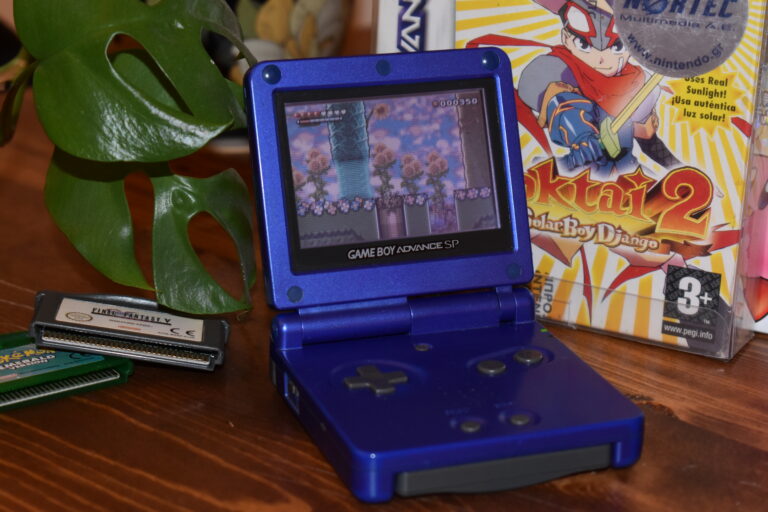
I finished Final Fantasy V Advance not too long ago. Had the game for more time than I can remember but for whatever reason, it took me until this year to complete a playthrough. Good game in any form but I do find that it’s one of the FF entries better suited to portables.
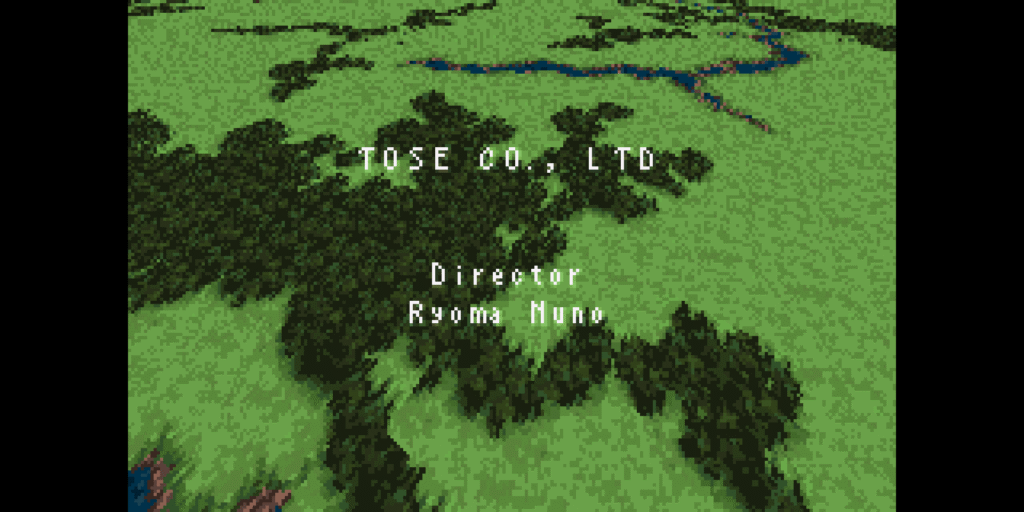
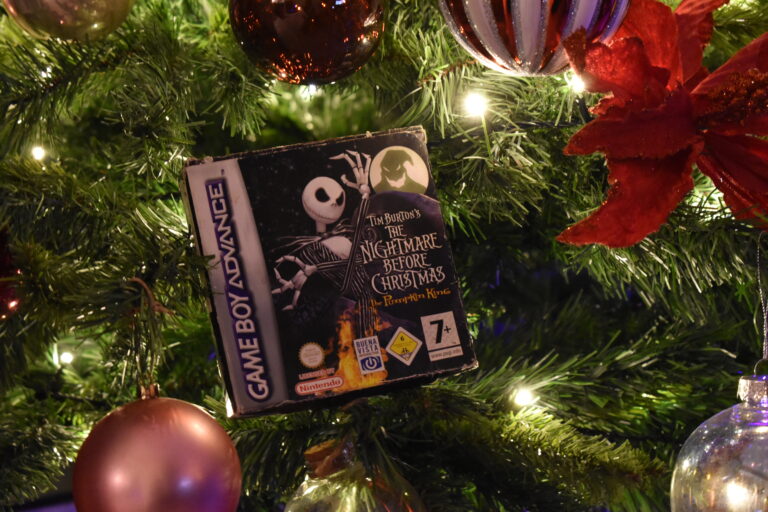
But that’s not the focus here. Midway through the ending credits, the name TOSE CO. LTD appears. I know that company name but where have I seen it before? There’s no TOSE logo on any GBA box I own. They don’t self-publish and Final Fantasy V Advance was a port so that kind of makes sense. Let’s check online.
A long list of efforts
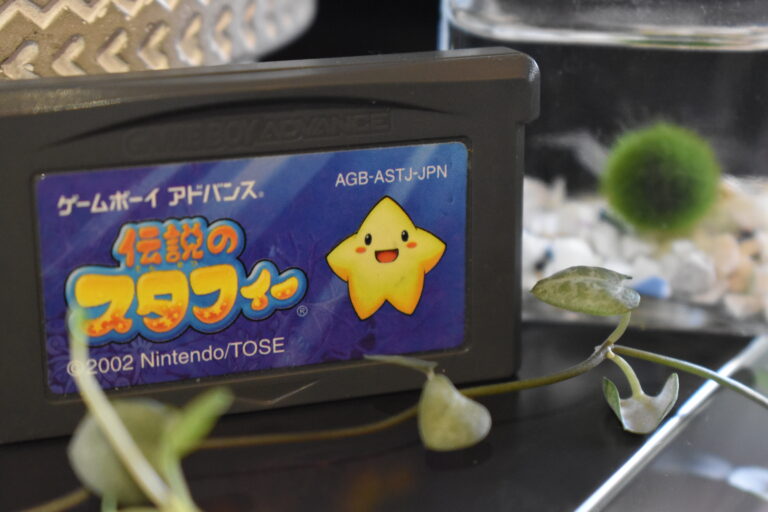
Going to MobyGames and navigating to a GBA-relevant page in their credits shows that they have done work on Harvest Moon: Friends of Mineral Town, are the devs behind the Densetsu no Starfy series (which only got a global release last year on Nintendo Switch Online), Dragon Quest Monsters and have done all Final Fantasy Advance ports. Seems like I’ve already played and enjoyed some of their work but I never retained the info that TOSE was responsible for those. And I am a serial credits-watcher.
There’s an awful lot of pages on their credits entries, though. Lets check the heavy hitters. Dragon Quest VIII and IX, Advance Wars: Days of Ruin, Fire Emblem Fates, The Legend of Zelda: Breath of the Wild? This creates more questions than answers. I get why I know the name but with those credentials, I feel like it shouldn’t be a vague memory.
To make things worse, their website’s “Works” section has some big titles listed but not the ones that appear in MobyGames. Apparently, they have done work on Paper Mario titles, Sekiro and seem to be the devs of the recent Tales of Graces f remaster.
Shedding some light on the self-proclaimed “ninja” dev
Back to the present day, I’ve read up on what little material there is out there regarding TOSE and their portfolio, and it’s quite fascinating. They have been around since 1979, with more than 1000 people currently employed at the company. They specialize in contract work and they’ve worked for IPs belonging to pretty much all big Japanese publishers. TOSE staff usually does not get credited, or uses fake names, and that is by design, according to an interview with the then-director of China sales for TOSE US, Koichi Sawada, conducted by Gamasutra (now known as Game Developer).
This air of secrecy is mostly reserved for the consumer side. In his own words:
In Japan, Tose is very well known (among developers). We’re trying to expand our presence in the US and Europe too.
Which is not hard hard to believe, looking at their main clients, even if it’s harder to dig up than most portfolios. A relationship that is more emphasized than others is the one TOSE has with a fellow Kyoto-based company, Nintendo.
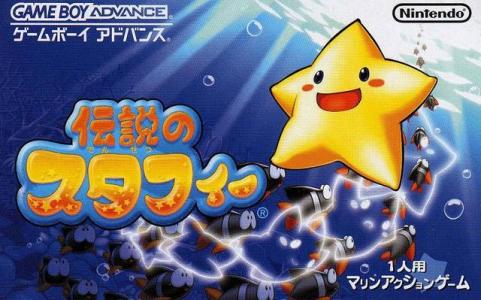
The first hint is that The Legendary Starfy is one of the few games where TOSE is openly credited. It is also an original IP and according to the previous interview, it is co-owned with Nintendo. Even more light is shed on this relationship in a 2017 Famitsu interview, translated by One Million Power, where TOSE chairman and CEO, Shigeru Saito, answers a question on whether he handled several management tasks by himself during the first 20 years of the company’s life:
We didn’t really have anyone to handle just the management aspect. I’m very grateful that we’re in Kyoto, and that Nintendo is so close by. We visit one another (laughs).

Similar anecdotes are shared about their collaboration with Square Enix, now from the publisher’s side, with producer Noriiyoshi Fujimoto stating his trust in TOSE.
I love the fact that I can trust them completely with any task, large or small (Is this me confessing my love for them?). Their Kyoto intonations make me feel at ease, as if they’d cast a Heal spell on me!
The common thread between the 2 interviews is that the company wears the title of “ghost developer” with pride, repeatedly mentioning that their clients vision is their vision. They also do not plan on publishing their own work as they are keen to leave things as they are, sticking to a seemingly winning strategy.
There is an acknowledgement that having a person’s name on a game’s staff roll is an asset that is valued when they want to find work in another company but that is directly followed by a statement that the company turnover rate is very low, implying that the lack of credits is not a deal-breaker for the employees. Of course, this is coming from the management but if it is this hard to nail down a list of big-name titles developed by TOSE, something tells me I am not going to find an employee-satisfaction survey floating around on the net.
From the devs of Dancing Furby
Title aside, there’s no need to exaggerate to make TOSE’s story sound interesting. A 45+ year old developer with a gigantic game catalogue, officially credited in only a fraction of it, whose work ranges from chart-topping and influential Famicom titles to co-developing, I don’t know, Scarlet Nexus or something.
It’s always nice to go down a retro game rabbit hole and and find out that the company in question is still alive and kicking. Especially when that dev is responsible for a childhood favorite and an upcoming title on your wishlist.