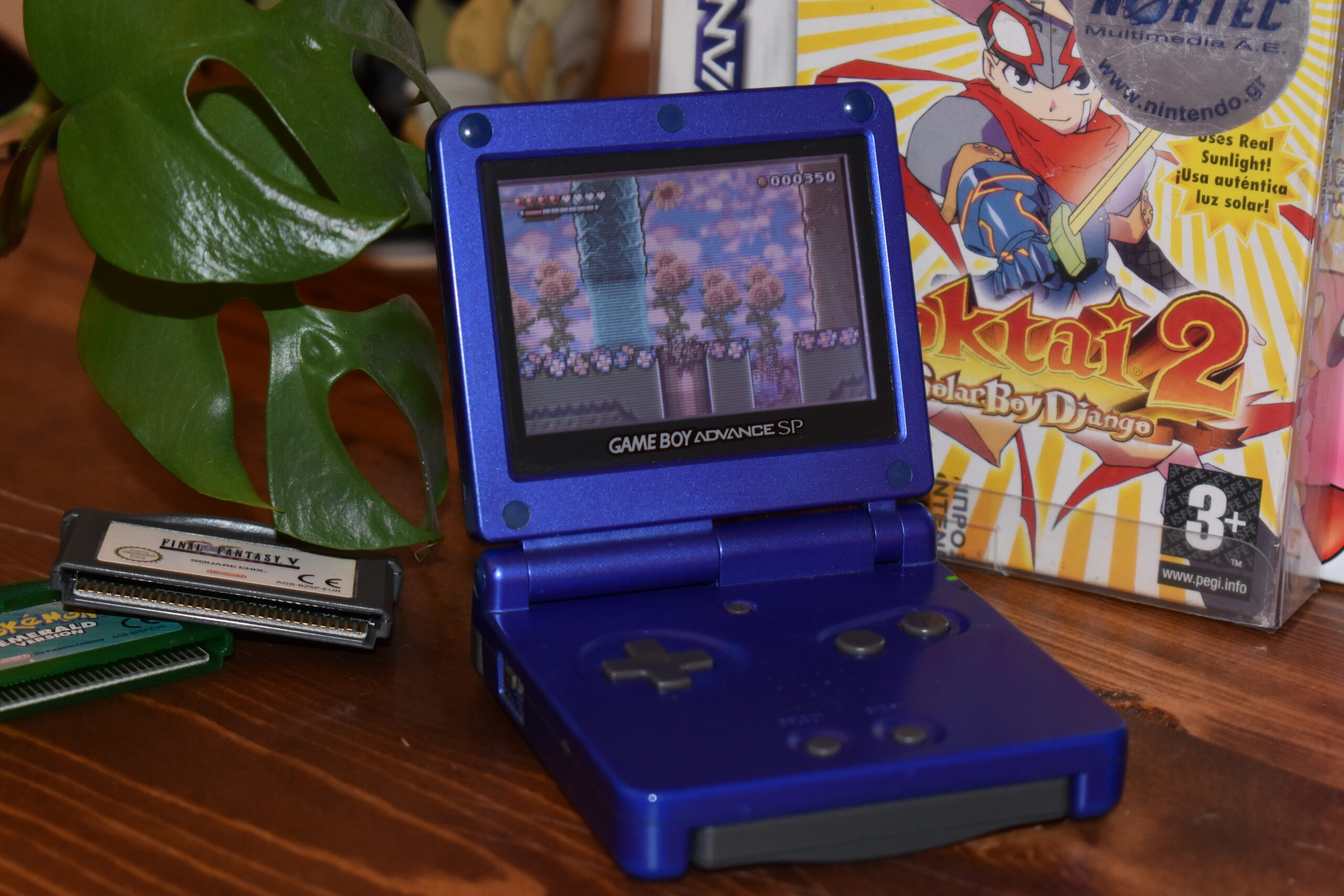
The trappings of the GBA market
One of the reasons we can’t have nice things are speculative markets. Nostalgia-rich hobbies tend to supercharge them and we are currently in a very lucrative window of time for sellers in the GBA market.
Prices for games are currently higher than you would expect and there is a suspicious amount of people who “have no idea” if the off-color Emerald cart they are selling for half the going price is fake.
Doing your retro gaming on original hardware is already picking the path of most resistance and we really do not need decision-making anxiety on top of that. Let’s see if some condensed information on the matter can speed things up so that you can spend more time playing and less time searching.
Cart-only or Complete in box?
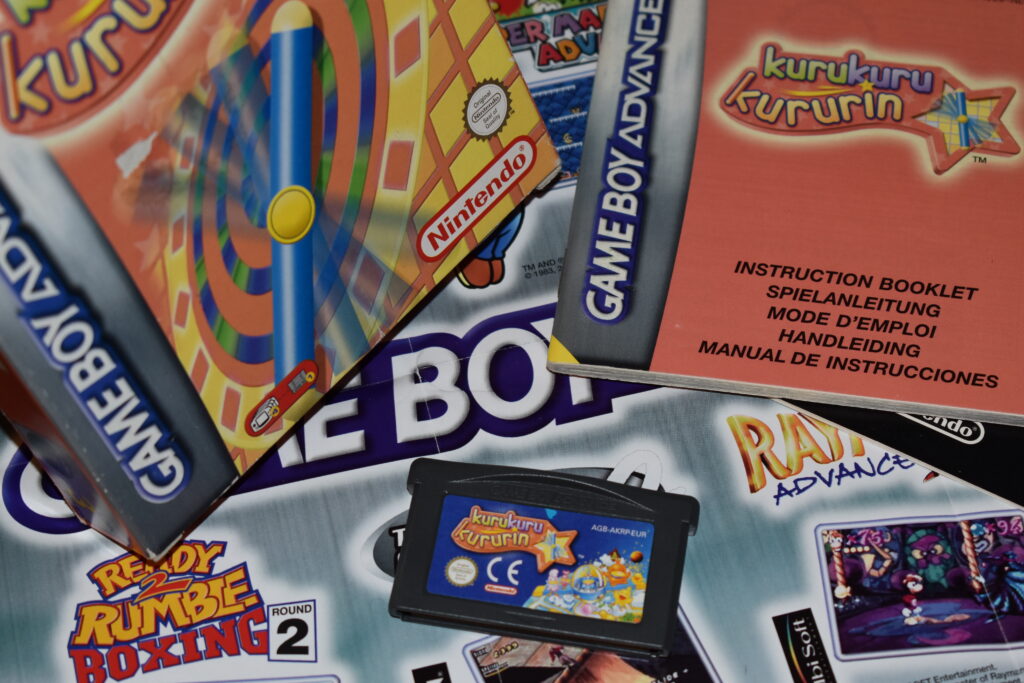
For reasons that will be become obvious very soon, you will need to decide if you value having a boxed game with a manual or if having the cart is enough for you.
With the help of the PriceCharting database, I have used the top 100 most popular GBA games and their going price to find out how much we pay for the privilege of satiating our brain bugs when looking for a boxed copy. It is about 90 dollars more, on average, which probably gave you pause.
Even if we try to avoid outliers skewing the result and take the median price difference, that’s still about 58 dollars. A simpler and more universal way to view this is that you are likely to spend 3 times more for a complete copy, whether it is Emerald going from 200 to 600 or Golden Sun going from 30 to 90 dollars.
Keeping all that in mind, I think the route that suits most people is going cart-only and maybe spending a bit more for a complete copy of that one childhood game or when a really good deal pops up.
PriceCharting is mainly useful to get a rough idea of a game’s pricing, not as an accurate metric for a specific copy in a specific condition. So, how do you go about finding out if you are about to overpay?
A fair price
The best way to make out if a seller is trying to rip you off is by going to eBay, searching for the title you want to buy and filtering results to only show sold items, focusing on a recent window of time. You will get a good idea of what people are actually paying and a glimpse of the condition of the items.
Aggregators can include bootleg listing and lack information about the price-to-condition ratio, which is baked into the nature of providing averages. Looking at listings currently on sale or a more localized used-games marketplace will tell you the price people are willing to sell games for, not how much completed purchases end up at.
So, use sites like PriceCharting to rule out prices that are unreasonable and dig into recent sold listings to compare the prices that passed the initial test.
You said something about bootlegs?
It should come as no surprise that there are bootleg carts floating around. Especially Pokemon ones. What might be news to you is that the bootleg scene is still evolving, with newer reproduction carts passing the tried and true methods of detection.
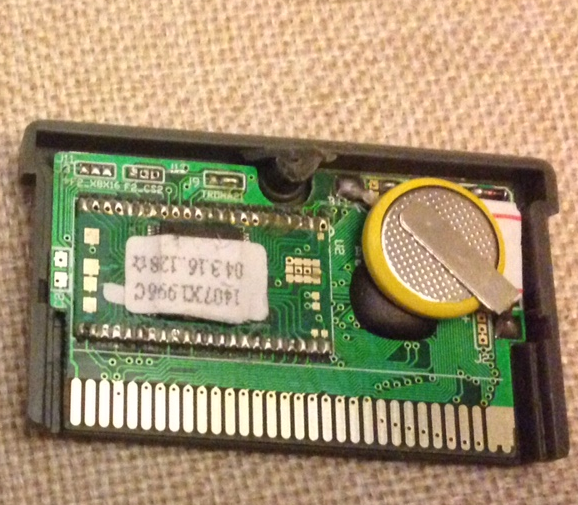
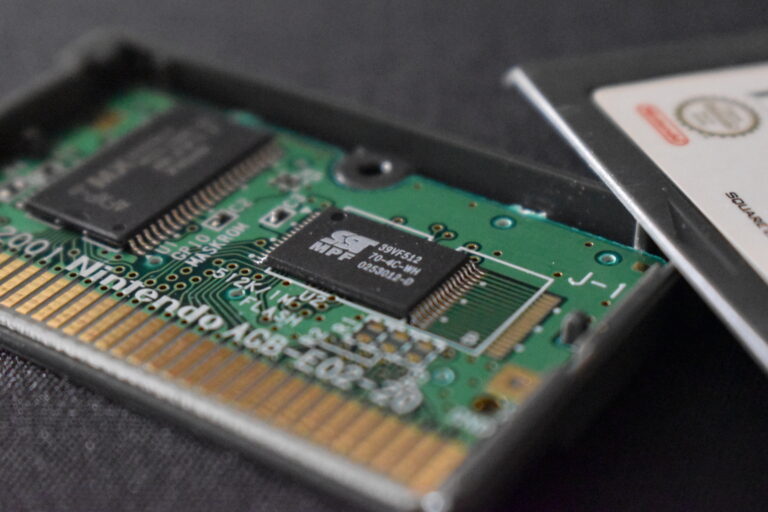
The only surefire way to check is to request a picture of the cart’s PCB. If you spot a black blob, it is not an authentic cart (the blob has an integrated circuit below it). The Nintendo text usually has a weird font too, if it’s there at all. Most lack the white text markings that indicate what kind of memory the cart uses, whether it has a real time clock, etc. Once you’ve seen one, it is quite easy to spot a fake PCB, even if they usually differ from one another.
Unfortunately, a seller refusing to show you the PCB is not an admission that the cart is not authentic. I have talked to sellers who did not own a small tri-wing screwdriver or were generally uncomfortable opening up electronics. That is why it is important to know about indicators that will help you determine if a cart is a reproduction without needing to open them up. There are bootlegs which are better at masking the signs and will most likely continue improve so instead of providing a list of non-fakeable traits that will likely get outdated, here are some things bootlegs get wrong:
The signs of the devil
- The cart is lacking a factory imprint on the label. It is a combo of 2 or 4 numbers and letters.
- The Game Boy Advance logo below the cart’s lip has thinner letters in the “Game Boy” part and are usually etched deeper. The logo should be flat and the letters wide.
- Looking at the opening at the bottom of the cart:
- The PCB is lacking or has mispelt the Nintendo logo, which should be visible.
- The pins have holes oddly placed all over. They should be just above the gold pins and not on top of them.
- The label is visibly fuzzy. A lot of bootlegs have bad print quality.
- Pokemon specific:
- For the Hoenn games: the cart’s casing is more pale and the label is glossy. The real things have translucent casing and the label has a holographic foil.
- For all 5, the cart is missing the 4 golden rectangles (left) and/or 3 gold circles (right) on the back of the PCB, which legit carts have and can be seen without opening the casing.
- For all 5, the cart is missing the a carved out space for the battery on the front casing piece. It should be visible just above the top right corner of the label.
As of late 2025, the best looking bootlegs have a factory imprint, properly placed holes above the contacts, the appropriate Nintendo logo and board number as well as the golden rectangles. Label print quality and the etched logo under the lip have not been replicated fully from what I’ve seen but some have gotten it close. The battery space and 3 golden circles on the back of the PCB have yet to be replicated.
To SRAM or to FRAM?
As detailed here, early GBA games that got more recent reprints can have 2 different versions, one utilizing battery-backed SRAM saves and the later using nonvolatile FRAM.
The issue one will face when buying is that there is no quick and easy way to tell them apart without opening the cart.
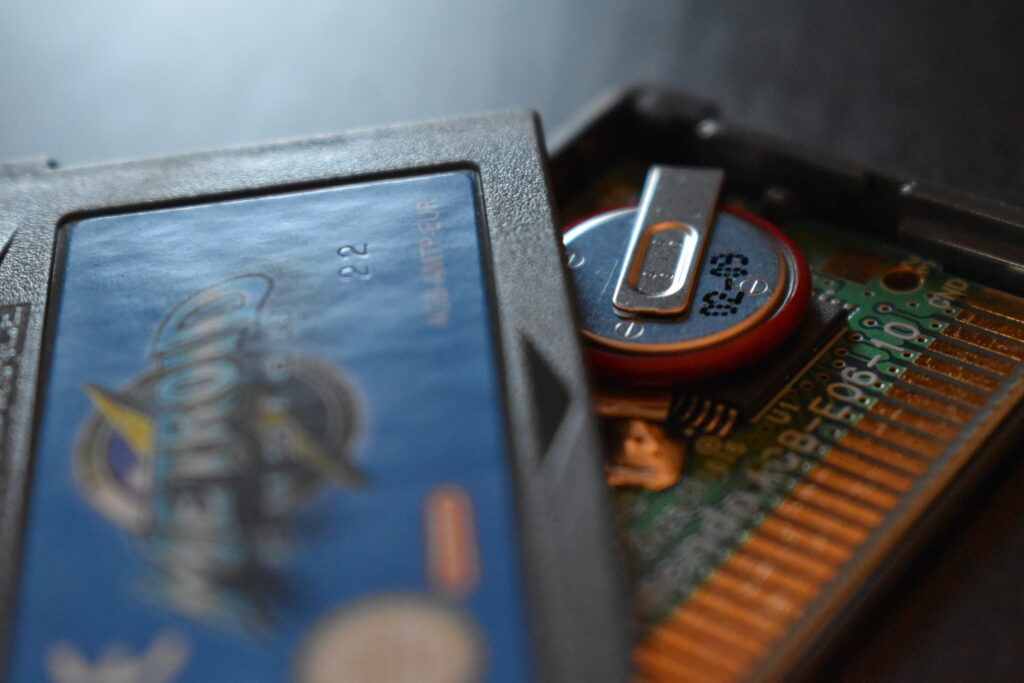
Well, not consistently at least. I saw posts showing how Metroid Fusion carts with the factory imprint “22” are the FRAM versions. When I bought a “22” copy, I realized this approach isn’t foolproof as it ended up being the SRAM version. My working theory is that the imprint-to-version relation is not consistent across regions as my copy is European.
So, if you know that a certain imprint seemingly corresponds to the FRAM version of a game and you can tell the cart you are about to buy comes from the same region (from the code on the label), then maybe it’s helpful.
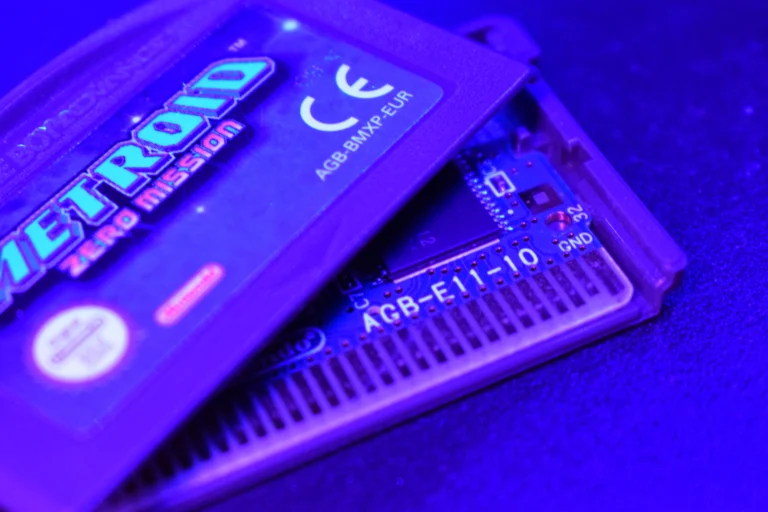
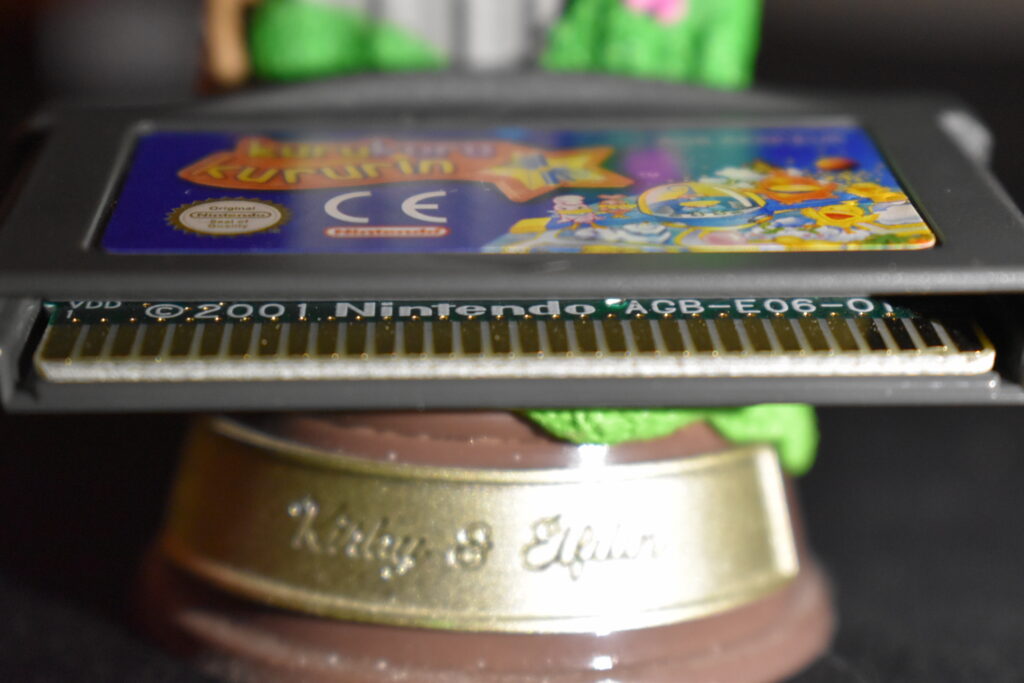
A method that trades ease for accuracy is learning about the different board types GBA use. That’s the “AGB-EO6-10” you can spot on the Metroid Fusion cart above. More importantly, it is visible from the outside by looking above the bottom pins, as shown by Kuru Kuru Kururin photo. While to as frequently available as imprint photos, a snap of the bottom side is a much easier ask for most sellers than opening the cart. Once you have the type, look it up on a PCB database like this one by Game Verifying and check if that specific one has battery contacts or not.
For reference, the titles I know have two different save type versions are:
- Harvest Moon: Friends of Mineral Town
- Metroid Fusion
- Metroid: Zero Mission
- Mega Man Zero
- Kirby: Nightmare in Dream Land
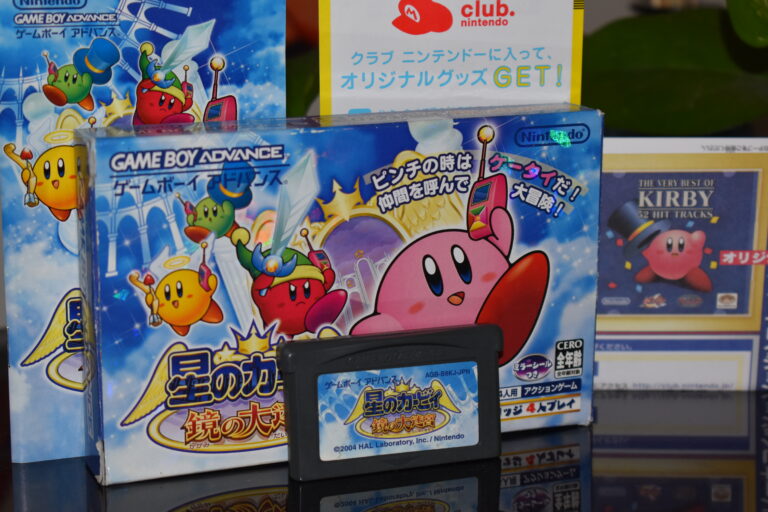
- Kirby & the Amazing Mirror
- Mega Man Battle Network 2, 3, 4, 5
- Mega Man Battle Chip Challenge
If you know of any more, please contact me, preferably with some pictures of the PCBs, so I can add them to the list. Curiously, I have come across 2 mentions of an FRAM version of Wario Land 4, which has become somewhat of a personal holy grail. Neither posts included proof but if you know anything about this, definitely let me know.
I tend to favor FRAM versions but I rarely make decisions solely based on the save type. A game listed at a good price and in decent condition rarely stays available for long so I will take SRAM versions, as long as the battery has not already run dry. Even then, replacing it is not hard but it does require a couple of tools.
Imports
A more familiar kind of version differentiation is regional versions. Unlike console games of the era, there is no reason to be worried about slower running conversions or anything of the kind. The main difference is the language options.
Generally, European and UK versions go for less that their US counterparts so, even if you live in the US, do check if there are any available when hunting for a game. As long as the shipping costs make sense, and there’s a good chance they do not when it comes to cheaper games, there could be a deal worth looking into.
But the real bargains are import-friendly Japanese versions. There are cases where you could be saving triple digit amounts by grabbing a Japanese version, with little to no impact on the gameplay experience.
My go-to examples are the 2 GBA Kirby games. You essentially only need to to navigate the main menu (which can even be done with something like a Google Lens translation) and you are set. The game even has UI elements that are in English.
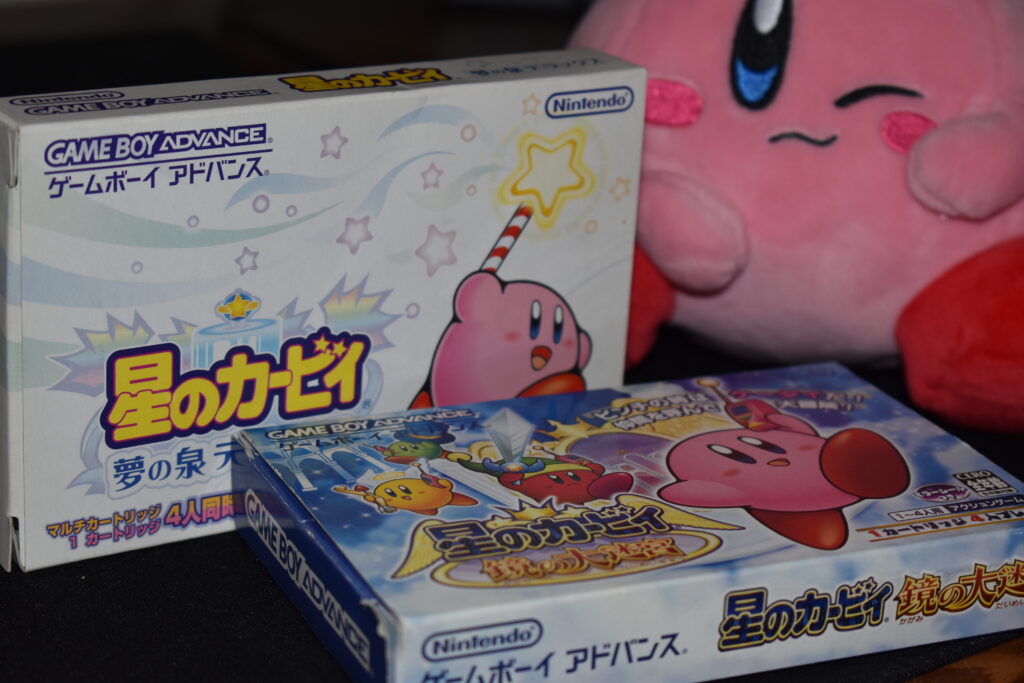
All Mario platformers, Mega Man games, shmups like Gradius Advance, both Kururin titles… There’s a decent chunk of the library that can either be enjoyed with no Japanese knowledge or just needs a couple of image translations to get the menus out of the way.
Avoiding analysis paralysis
This is an attempt to spare you from several hours of research every time you try to decide whether you should buy something before giving up and feeling discouraged. It is meant to be something you read once to get some general info and maybe refer back to when trying to check for bootlegs.
Most people who still enjoy their GBA have boxes torn up by sticker removal, spare carts with eldritch etchings and I am fairly sure that 10% of GBA SP owners either enjoyed biting the console’s corners or had really playful dogs.
Don’t try to check all of the boxes every time. Grab that 50 dollar LeafGreen with the torn label if it looks legit.