Retro* gaming in Japan
In the past couple of years, I have been lucky enough to find the time and resources to travel to Japan, the birthplace of the piece of electronics that inspired the creation of ROM. These visits are not solely a videogame pilgrimage but it is a considerable motive, particularly because of retro stores, arcades and visiting locations that inspired the setting of specific titles.
Retro game and trade-in culture is very robust there. But the spike of overseas tourism that Japan has experienced in the past decade or so means that your dedicated retro game stores are now tourist-savvy. Even tourist-trappy, one might say.
You most likely won’t find multiple bargains wherever you visit. On the other hand, the layout and items in most of these places are worth experiencing by themselves and are usually located in activity-rich hotspots which elevate the game experience beyond shopping.
Osaka

Den Den Town
Osaka’s version of Akihabara, it is a more compact electronics hub that, just like everything in this region, looks better in the evening. There are tons of hobby stores there but for retro videogames, the local Super Potato and Suruga-ya is what you want.
Super Potato is more of a showcase of retro gaming, with CRTs running trailers on repeat, VGM playing from speakers in every other corner and lots of obscure and often rare pieces of hardware and peripherals on display. It usually has quite a selection of GBA games but it also sports the highest prices among all the stores featured in this article.

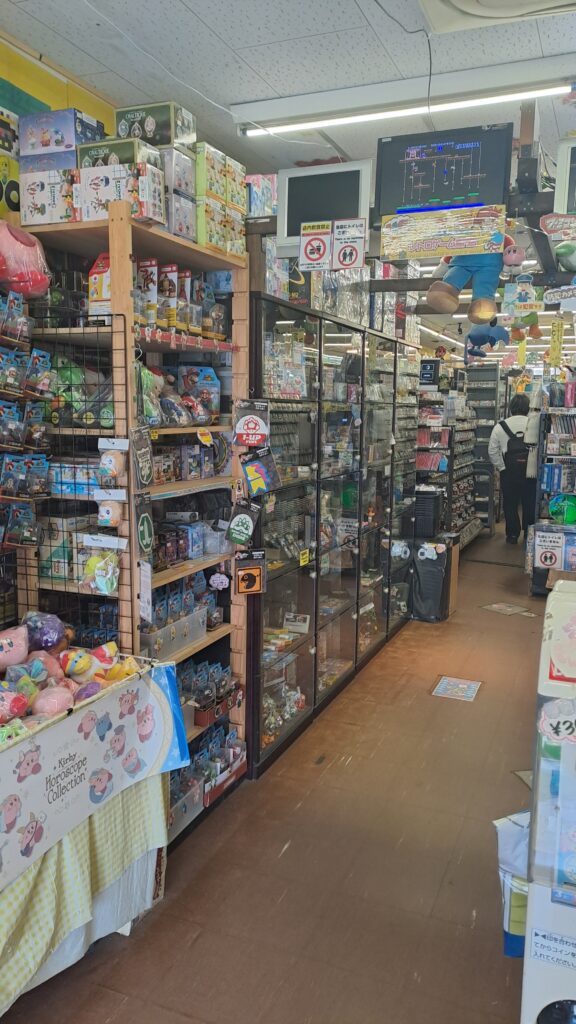

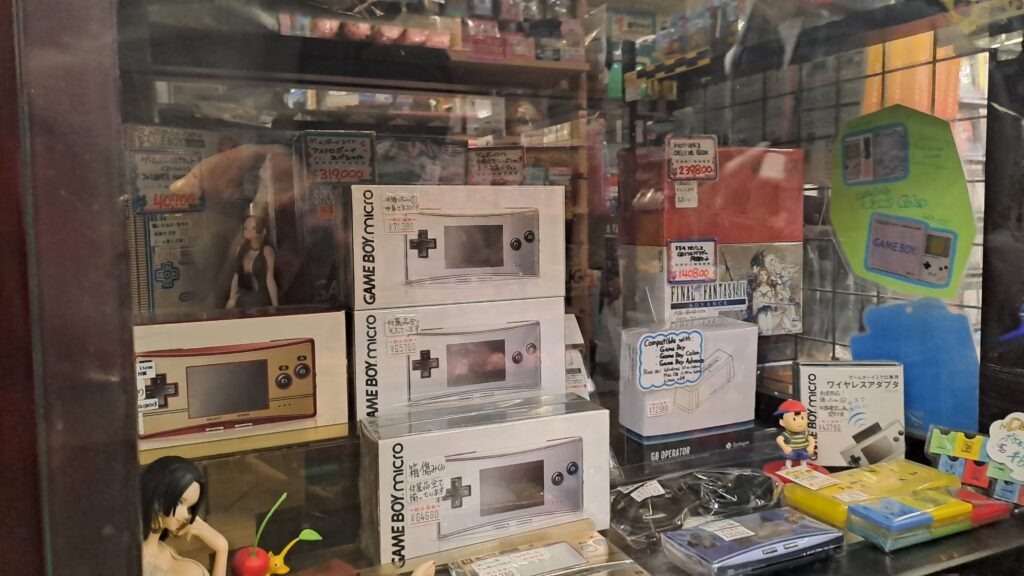
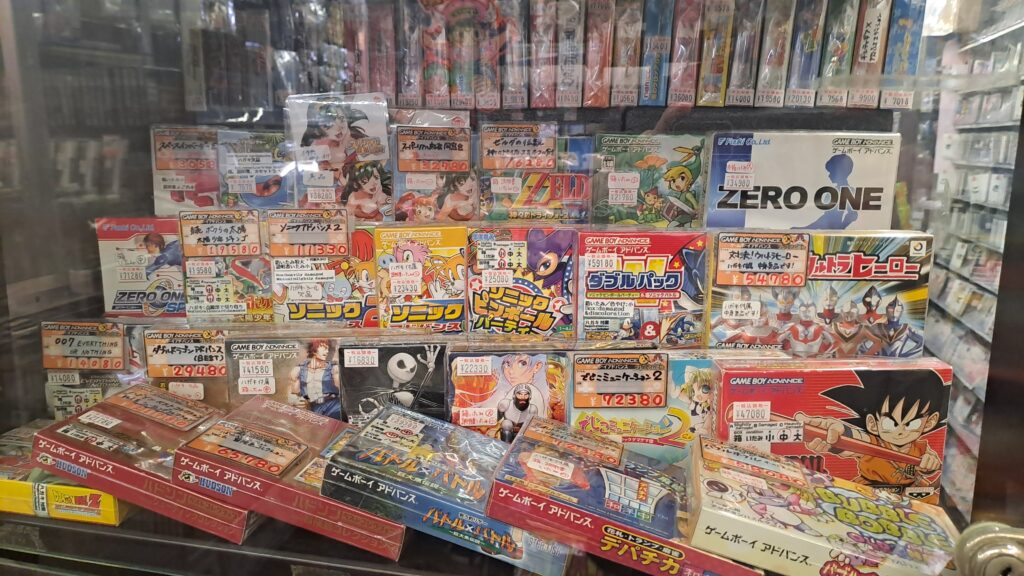
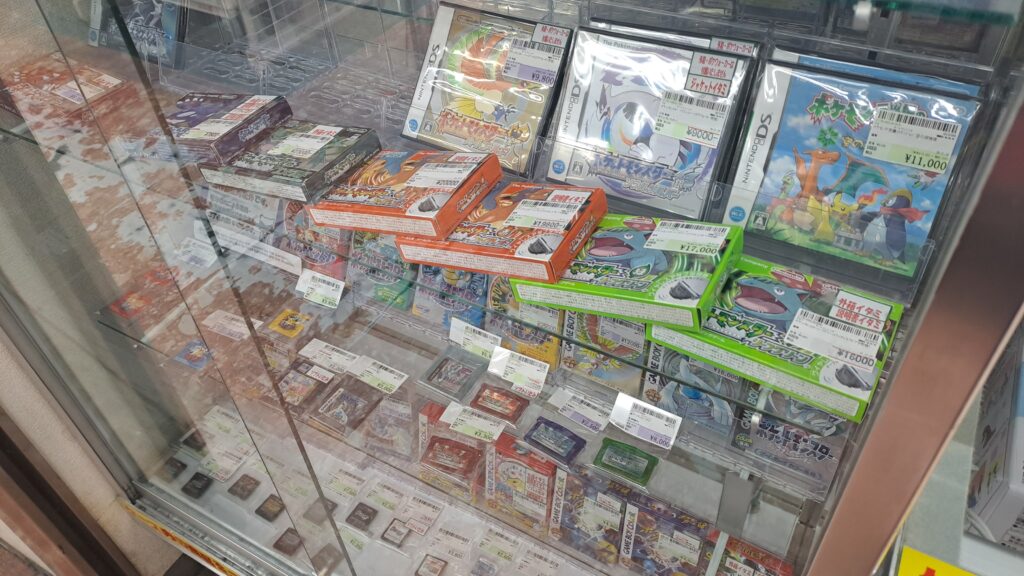
Suruga-ya, on the other hand, is a less specialized used goods stores which, depending on the location, can have a sizeable videogame section, both current and retro. Throughout all my thrifting, the Suruga-ya in Den-Den Town had the best combination of pricing and variety in terms of GBA games.

Namba
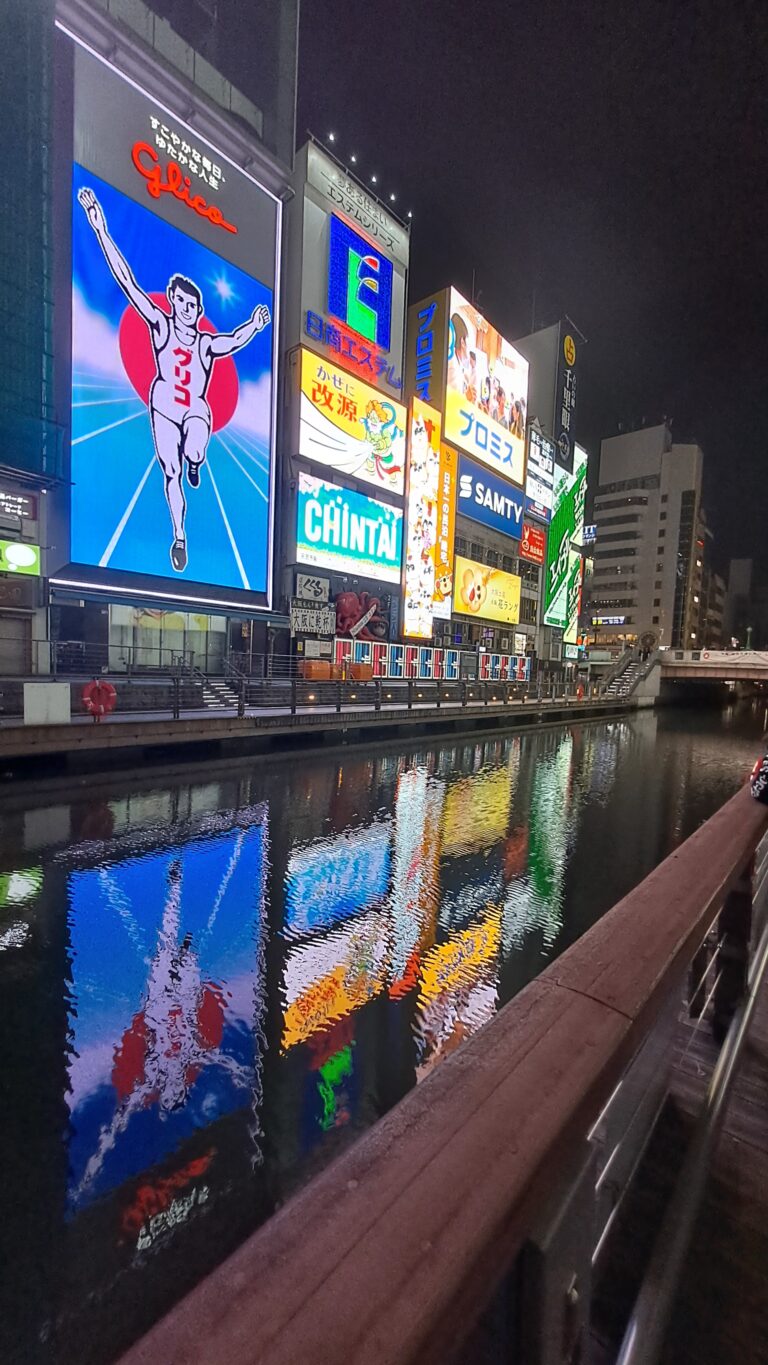
What is usually considered Osaka’s tourist hub, Namba is incredibly busy and the shopping districts there are so dense, it can be terribly hard to move more than 5 steps without stopping to check something out, especially anywhere below or above Dotonbori.
Thankfully, there are 2 BOOKOFF stores relatively close to each other. BOOKOFF is where you will get a more complete thrifting experience as there’s a lot of them all over Japan and they have a less curated but more bargain-friendly selection along with what seems to be the biggest item turnover, so repeated visits can be worth it.
The two stores mentioned before are BOOKOFF PLUS Namba Ebisubashi and BOOKOFF Osaka Shinsaibashi, both within walking distance if you are staying anywhere near Dotonbori.
Tokyo
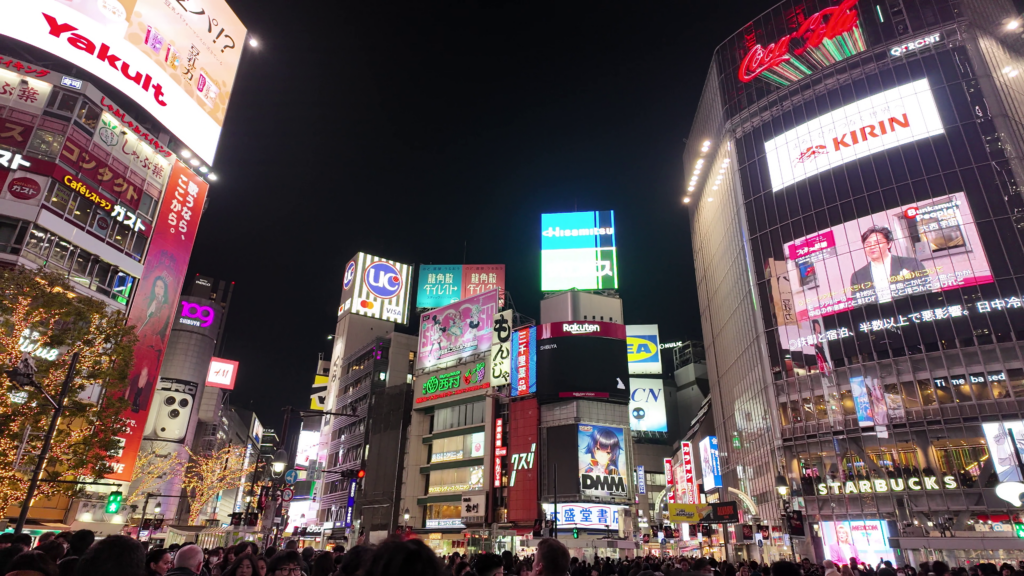
Ikebukuro
The alternative to Shinjuku, Ikebukuro is ideal if you are looking for a view of city life that caters to locals within Tokyo while still being very active. Luckily, it also has a BOOKOFF location in Sunshine street that actually had bargains in the double digits.
Sadly, the GBA section in this particular store was weak so I ended up purchasing several titles for other consoles at below-market rates, as well as related items like Amiibo.
In fact, visits to this location became a daily thing. The east side of Ikebukuro’s train station is such a vibrant entertainment hub that it is hard to avoid making multiple shopping stops if your destination is anywhere nearby.
A lot of these offerings are merch-related, both game and anime, so if you are looking solely for retro games, Ikebukuro is host to another BOOKOFF on top of the aforementioned one and a Super Potato. Legends say that the local Suruga-ya sells games as well but I failed to find any

Super Potato came in clutch, with Shin Bokura no Taiyō: Gyakushū no Sabata (a.k.a. Boktai 3) at an OK price. I had already passed up a copy and it being one of the titles that I was aiming to grab during my latest trip there, I would be disappointed to come home empty handed.

Akihabara
Probably what you picture when you think game and anime centric districts in Japan. It has the biggest variety in terms of retro game store locations, including Retro Game Camp and BEEP on top of the usual suspects like Super Potato and a Suruga-ya.
One would expect this section to be the highlight but it is hard to overstate how busy Akihabara game stores were during the time I visited the district. Which is the reason that it was not the most pleasant time when it came to shopping as the tight corridors or retro game stores do not lend themselves well to crowds or staying stationary to figure out if that Game Boy Micro is such a rip-off or if you are adding a zero by mistake.
Purchases did take place, yes, but I opted to spend most of my time feeding yen to the arcade machines and roaming the streets up to the quite impressive Ueno Park, whose size is a better fit for the crowds during cherry blossom season.
Akihabara is not a skip by any means but it would be wise to visit during a weekday and possibly earlier in the day if you plan to go retro hunting.

Sapporo
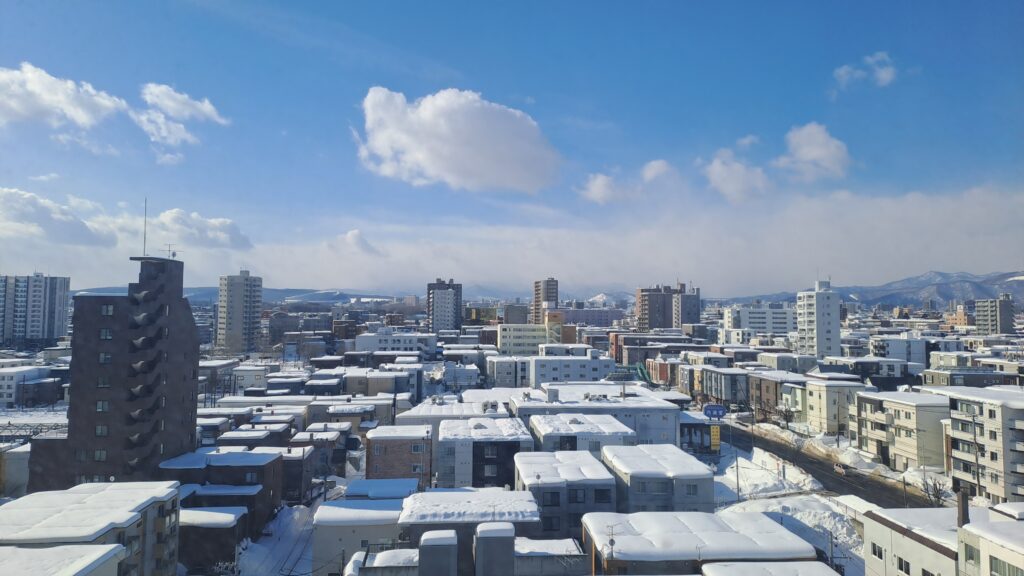
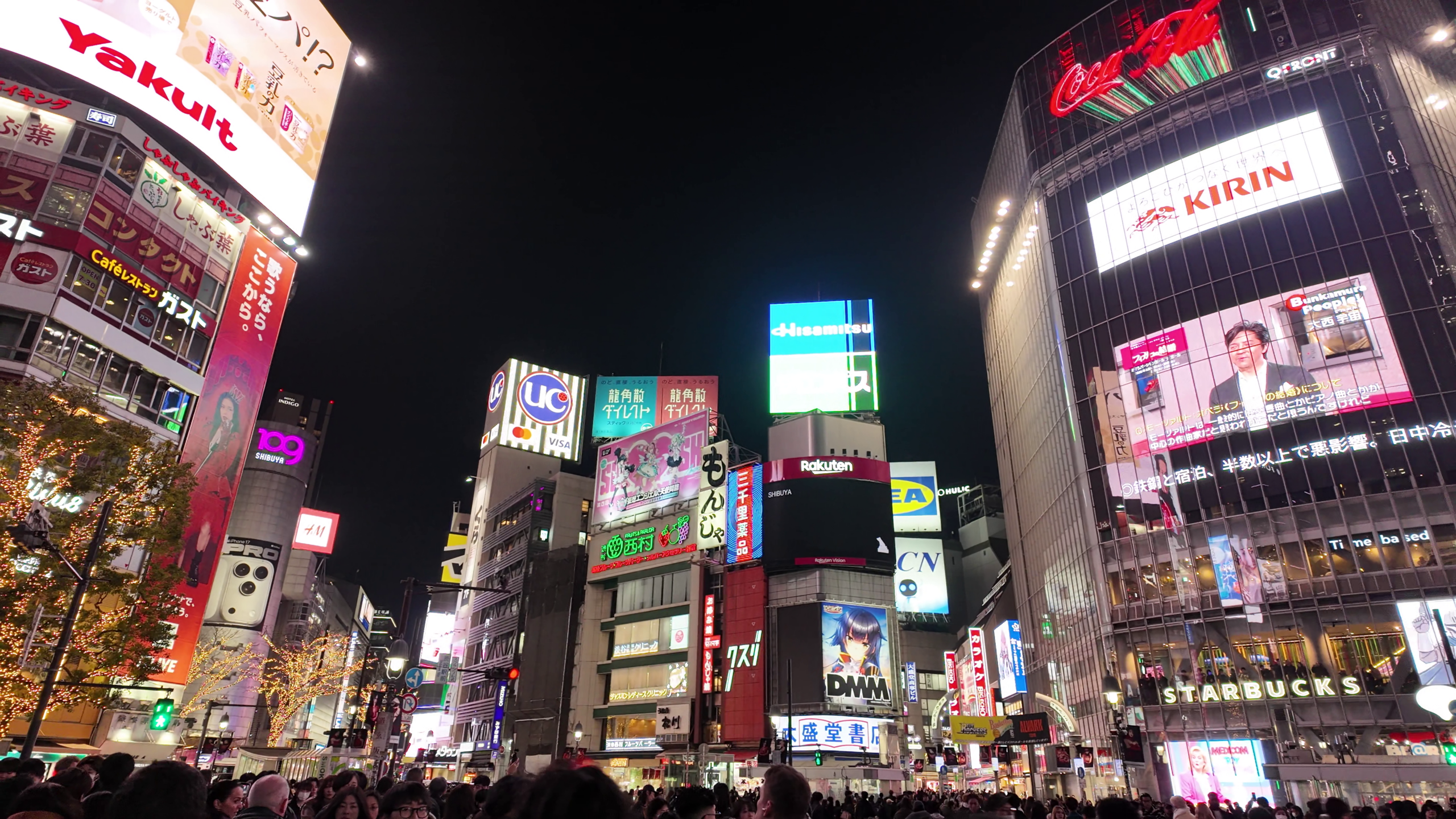
Sapporo was my bet for the best deals. Less of a tourist hotspot and harder-to-reach store locations sounded like a great combo for buying purposes. However, Sapporo in February looked like what you see above. So I decided to enjoy my stay and skip used game excursions.
The Japanese market and its intricacies
(Disclaimer: This is an opinion formed after visiting about a dozen locations within a couple of years, spread throughout 6 cities. I do not have a complete view of the market like a local would have so keep that in mind)
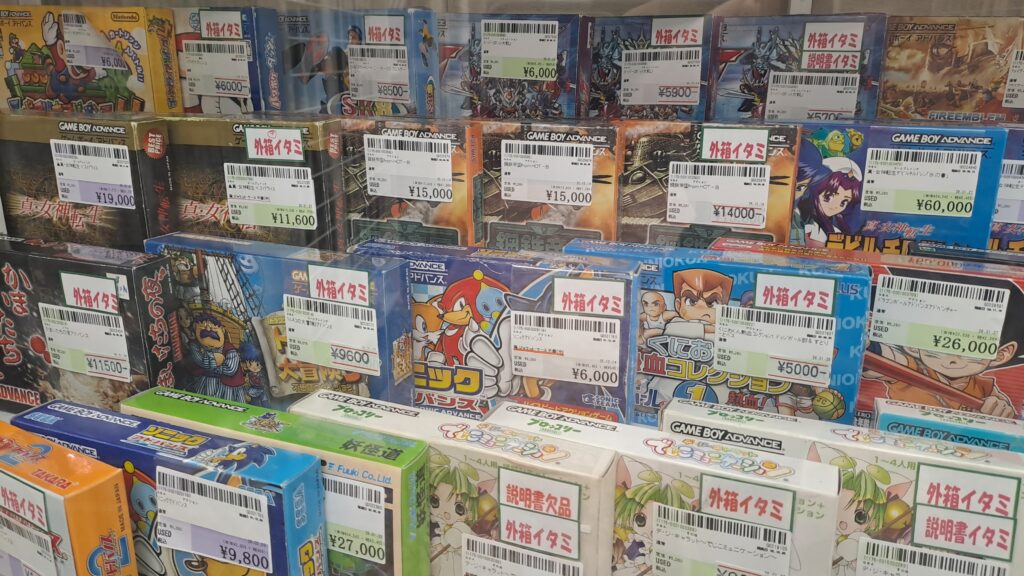
As I have mentioned before, grabbing the Japanese version of an import-friendly title is usually an economically sound decision as they tend to go for lower that their western counterparts. This does not apply for all titles and even less so when purchasing stuff in dedicated retro game stores. Your boxed Metroids, Castelvanias, Metal Slugs and other sought-after titles will likely break the bank.
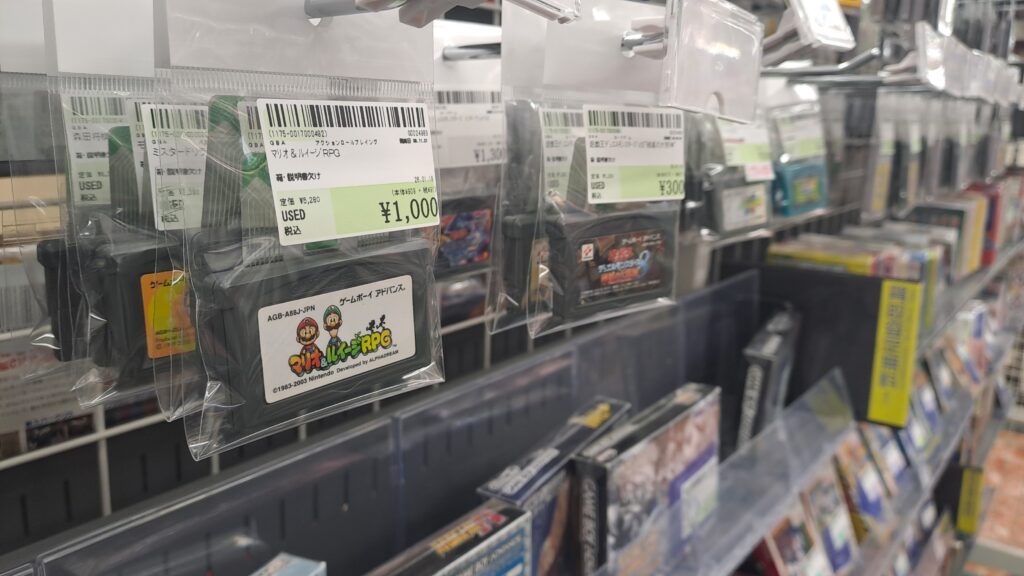
What you can take advantage of is the non-specialized thrift chains mentioned before, such as BOOKOFF (and its hardware-centric sister chain, HARDOFF) and Suruga-ya.
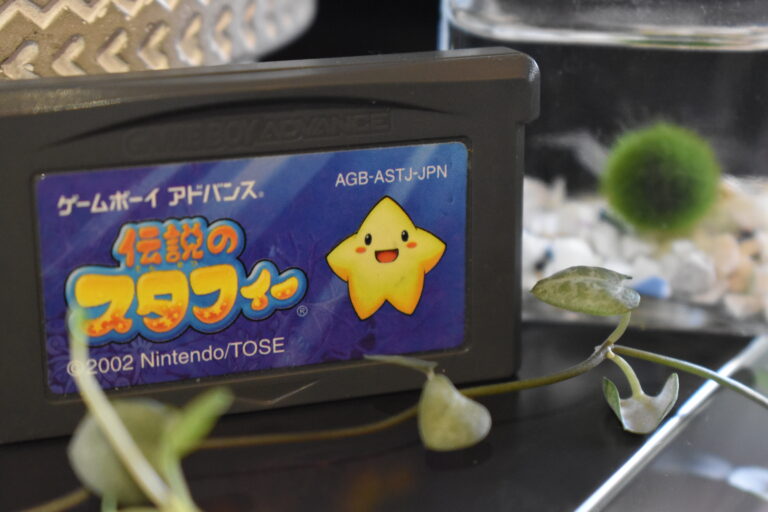
Depending on the location, they tend to have more sensible prices and more turnover. Case in point, a 5€ The Legendary Starfy cart, a 16€ boxed Starfy 3 and what could have been a 22€ Starfy 3 if I didn’t pull one of the usual “I might find this at a better price elsewhere”. All 3 where in the bulk sections of either Suruga-ya in Den Den Town or in the 2 BOOKOFF locations in Ikebukuro

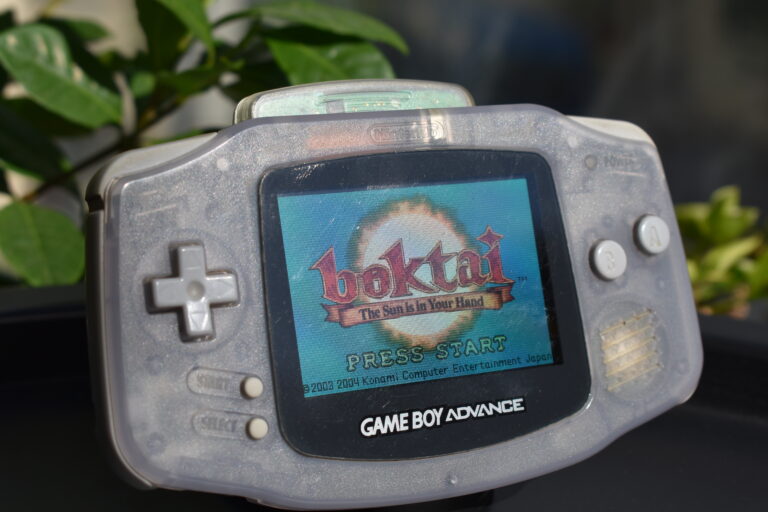
As for the rest of the stores, I found the biggest ally to be the way they rated the physical condition of their items. Above, you can spot a copy of Boktai 3 with a damaged box, according to Super Potato Ikebukuro. If this was a listing online or in some western shop, the descriptor would be “Like new”. Because of the, in my view, negligible wear and tear and the weaker yen, this cost me about 90€. The only local listing I could find back home is north of 200€ while most listings online that are anywhere near 100€ are not this well preserved.
There is also the concept of “Not tested” which, more often than not, means “tested and found to be not working” when it comes to online listings. In these stores, the descriptor holds true as far as I’ve seen.
What seemingly cannot be sidestepped are the frankly insane hardware prices. HARDOFFS are the place to go for better console pricing but they are fewer and more spread out than stores with a used-software focus.
The haul

The selection from the first visit was the result of a scattershot approach. Look around and note the prices, check which of these games are import friendly. Occasionally marvel at how many games we missed in the West up until the 7th generation of consoles.
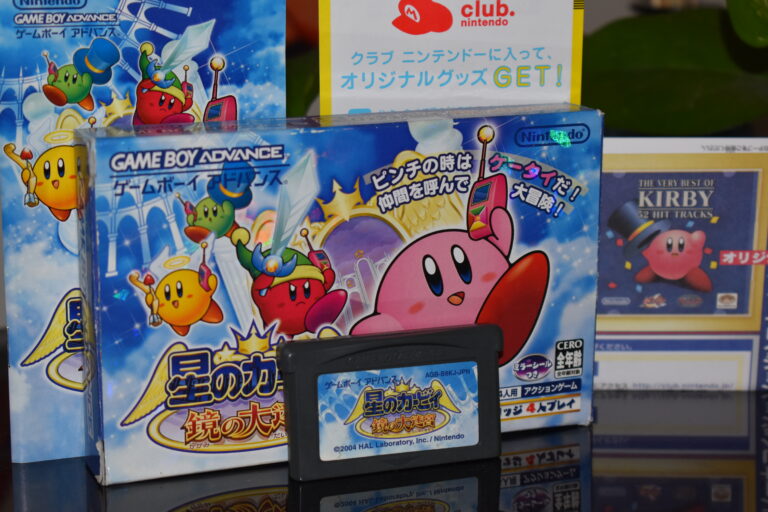
Kirby and the Amazing Mirror is the highlight of this bunch but Kaiju Busters for the DS deserves an honorable mention as it had occupied a spot in my mind for years due to a random Youtube suggestion.
The Ys 7 buy is a result of years of being frustrated that Falcom’s incredible PSP run of games never had their physical versions released in Europe and the limited nature of the NTSC release meant that the prices were destined to remain high.
The second time around, I was a man on a mission. Bokura no Taiyo 3 and Densetsu no Starfy were part of the list but the long-time targets were a very niche duo.

Nanashi no Game and Zangeki no Reginleiv are a couple of weird, Japan-only titles that were only available in a single store. The first title is a first-person horror game with top-down RPG sections, released for the Nintendo DS and I will not elaborate further. Zangeki no Reginleiv is an action game that utilizes motion controls in a very involved way but it sadly was not part of the Operation Rainfall trio consisting of Xenoblade Chronicles, The Last Story and Pandora’s Tower that managed to get localized. One would think that the black box would make it easier to find while thrifting but one underestimates the amount of used Resident Evil: The Darkside Chronicles copies out there.

Another title of note is ESP Ra.De. The short but joyous story behind this purchase will make a bit more sense once you read on below but the gist of it is that I found an ESP Ra.De. arcade machine and got hooked.
After searching online to see if it was ever ported to a console, I found out, 2 days before departure, that there is a semi-recent Japan-only Switch port. Of course, the was a single copy behind the glass display in Super Potato, positioned as if it was the end point of a collection side quest.
A broader gaming-related experience
Japan is a surefire bet as a travel destination, doubly so if you are a videogame enthusiast. But do keep in mind its shopping-centric districts make it quite easy for the consumer side of your brain to take over and eat up too much time better spent experiencing the culture that birthed the games you love. Leaving behind the GBA-centric writing for a bit:
A Mikado love affair
The arcade scene is significantly smaller than how it used to be but you’ll be hard-pressed to walk 5 minutes without finding one in most city centers. The Sega arcades have become GiGos and you’ll need to soldier through 2 million UFO catchers to find the videogames, with the same thing applying to Round1 stadiums and other large locations. However, dedicated spaces like the Mikado game center in Ikebukuro is where I found myself spending 1 or 2 hours per day, for a week. Finding CAVE shmups in the basement drew me in but the general experience is what won me over.
In fact, I managed to almost get locked inside my first day there as I was too absorbed by an E.S.P. Ra.De. session to notice they were closing.
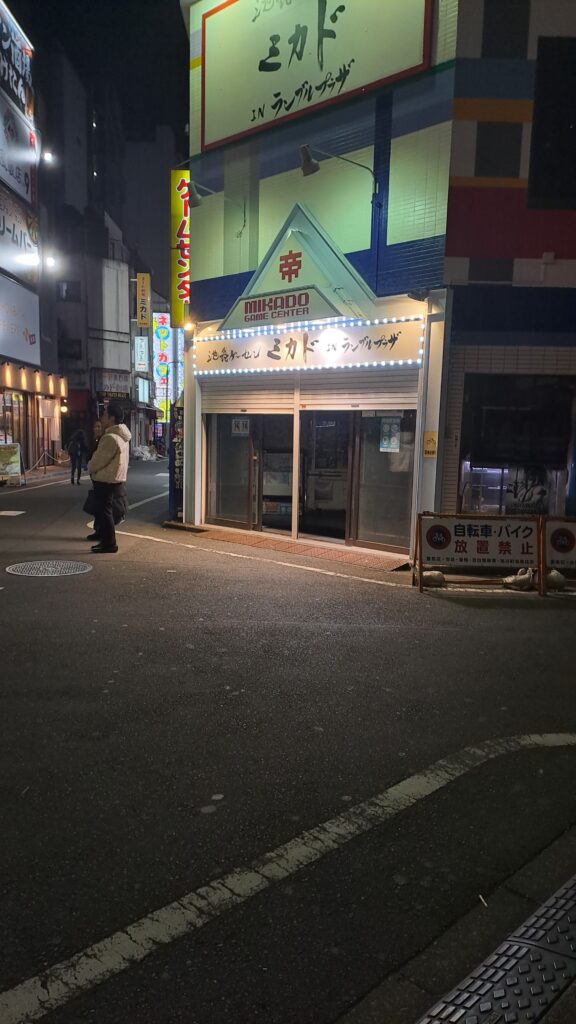
There were several people in suits, probably just having finished their workday, that came in, cracked open a can of something from the vending machine and proceeded to chip away at classics like Final Fight, Metal Slug, DoDonPachi or, if you were the champ playing on that one Super Ghosts ‘n Goblins cabinet, a full playthrough of a notoriously hard Capcom classic with what seemed to be a couple of 100 yen coins.
The second floor has dozens of fighting game cabinets but usually only had 3 or 4 people playing. That was until the weekend, when a lot of Third Strike and KOF matches took place, accompanied by what sounded like fun trash-talk.
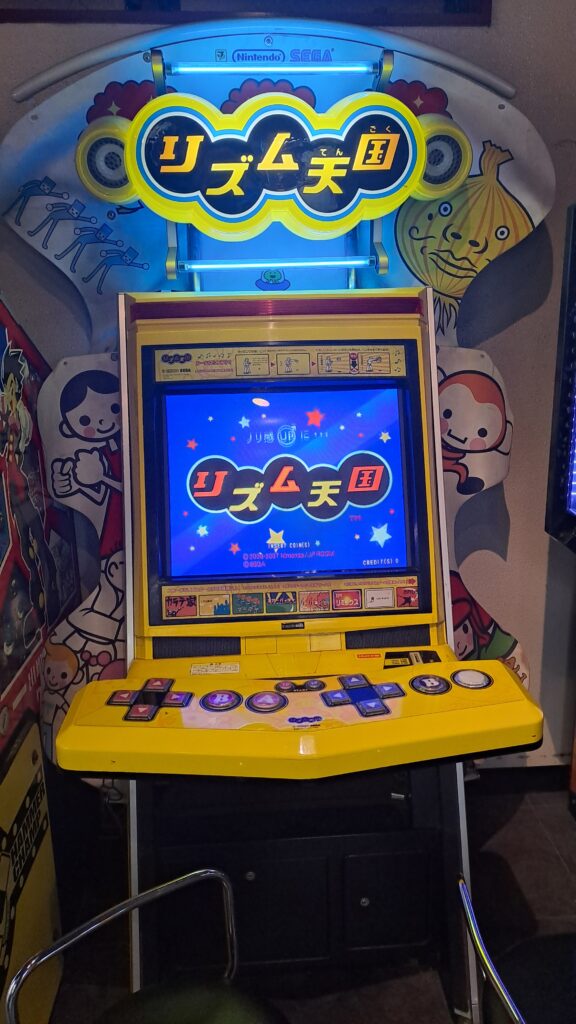
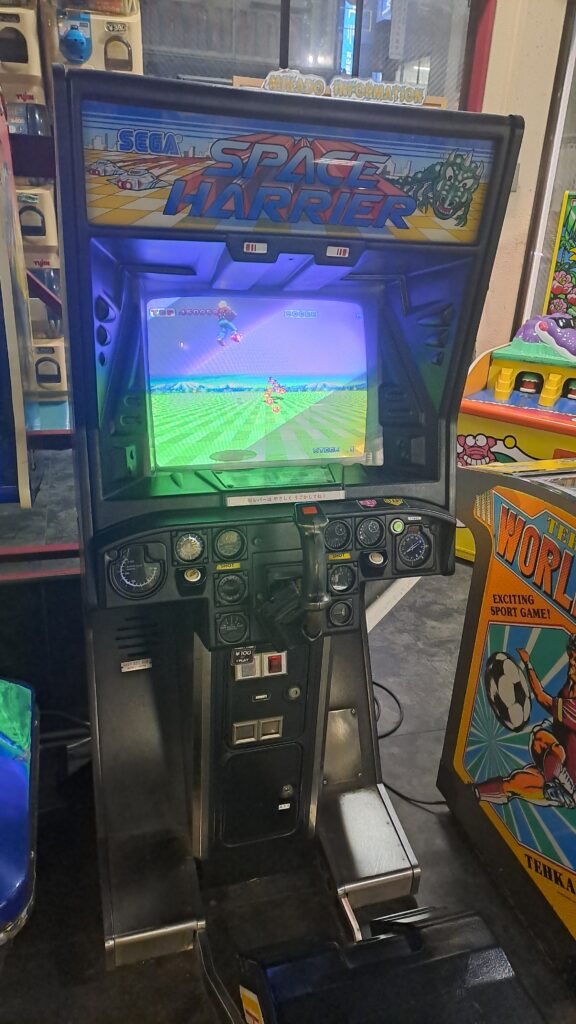
As for the ground floor, that’s where the eye-catching cabinets resided. Gems like Typing of the Dead, an F-Zero GX machine, a giant Dariusburst EX 4 player machine and a pristine Space Harrier cabinet are some of the highlights. The Rhythm Heaven arcade machine in particular was a genuine surprise.

Reverse virtual tourism
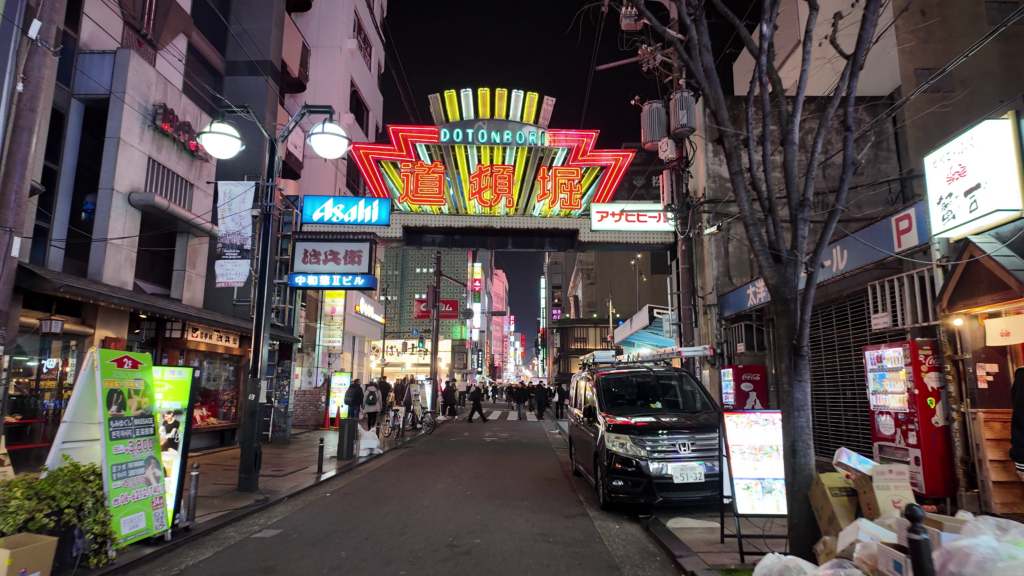
In hindsight, a surprisigly Sega-centric section. Urban areas in Japan seem to change landscape rapidly. Even with that in mind, if you are a Yakuza/Like a Dragon fan, it is quite likely that you can navigate Kabukicho, Dotonbori, the areas closer to the port in Yokohama and Odori park in Sapporo during the snow festival, by videogame memory alone. It doesn’t hurt that all of the above are central areas so visiting them will be a fun time regardless.



A pleasant surprise was how great the vibe was in Sangenjaya. Being the area Persona 5’s Yongenjaya is based on, it’s full of beautiful little alleys and shops and the in-game locations are incredibly faithful to the real thing. The location aesthetics are top notch and it is no surprise looking at what inspired them.


Famicom at お粥sawa
You wouldn’t know it from looking at the outside of the restaurant but お粥sawa is a very cosy place that serves Japanese rice porridge and is host to unique DIY interior decoration. Faithful to vintage aesthetic, there is a plugged in Famicom and a selection of games in a basket next to it, available for customers to play with.

While waiting for the Udon order, the owner urged us to go for a play session and I happily complied. I stuck with Super Mario Bros, which was already in the slot, and almost managed to finish a run before the food was ready. I spotted a Super Famicom as well as other retro gaming-related trinkets.
To top all that off, the owner was willing to take time and talk to us about the history of Abeno, the store and some of the items within it, showing genuine interest in where we were from and in our opinions of Osaka and Japan in general. Of course, the food was just as much of a treat.
Looking back
Retro game hotspots in Japan function better as museums, a showcase of hardware and software of different eras and the GBA selections are no different. You are better off going to the less fancy thrift stores to find worthwhile buys, away from glass displays.
If there is a takeaway to neatly close off this article, it would be that there are more thrills to be had experiencing the real-life influences, spaces and people that make up the society that created the products we appreciate so much than hunting for good deals for said products.
Except ESP Ra.De., that purchase was mandated by the divine.